
When You Say No
A narcissist doesn’t hear “no” as a boundary—they hear it as a challenge to maintain control, guilt-trip, and reframe the narrative. What happens next reveals everything.
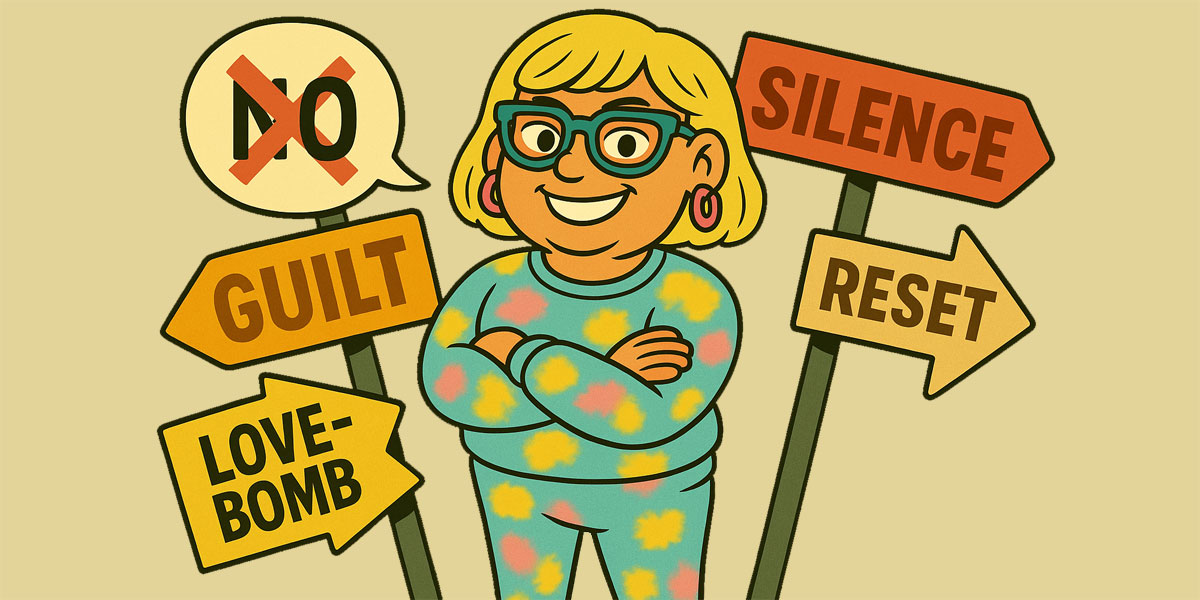
"Get ready for 'everything' other than a brief moment of disappointment"
Behind the Curtain
Saying no should be the end of a conversation — but for some, it’s the start of a manipulation cycle .
What looks like immaturity might actually be a routine pattern: use guilt-tripping , go silent as retaliatory withholding , then reset the relationship without accountability .
- Lovebombing primes the victim to say yes
- Silence punishes the boundary — a form of coercive control
- The “reset” is a narrative reset that pretends nothing happened
The manipulator uses your no to involve someone else — making you the excuse for manufactured consensus or Plan B.
That’s not emotional immaturity — that’s strategic disorientation . Saying no didn’t cause drama. It revealed who was really in control.
Final insight: If they bounce back quickly while you’re still spinning, you didn’t hurt them — you interrupted a pattern .
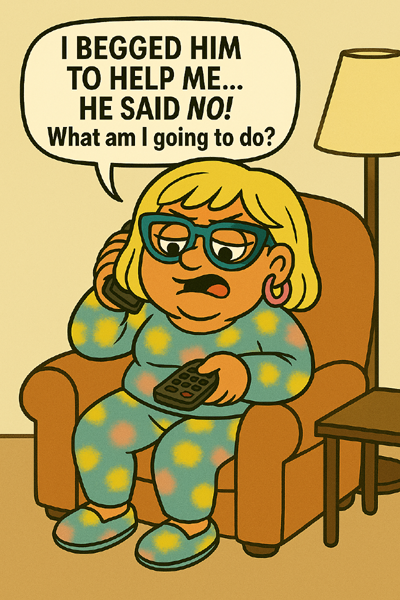
NarcyNarc, moments after hearing the word “no.”
What Happens When You Say No? EXTRA!
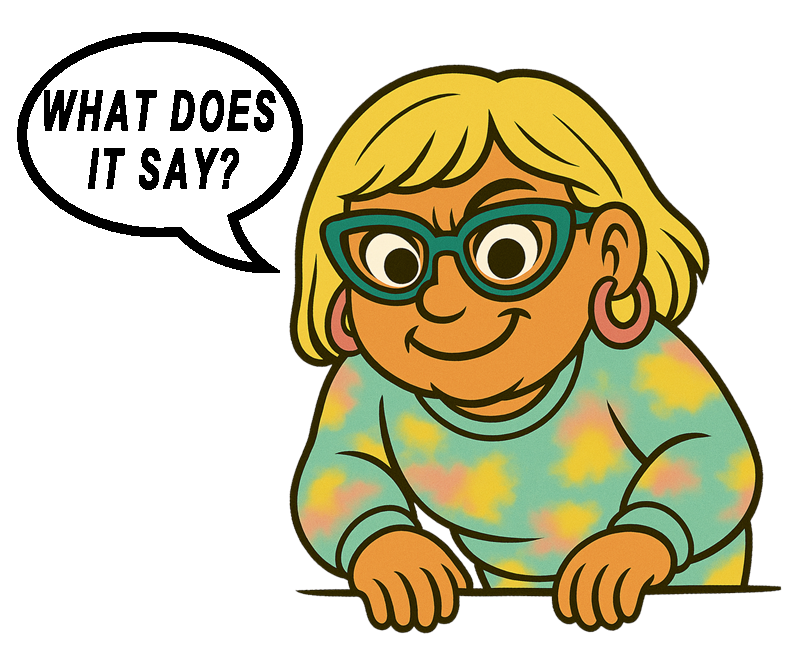
If
you’ve ever said
no
and felt like the
villain
,
If they acted
fine days later
while you were still emotionally scrambled — You’re not overreacting. You’re waking up.
Setting the Scene
It always starts with a seemingly simple request: “Can you help me with something?” But behind the ask is a web of expectations — guilt, history, lovebombing , and future faking . You say no . That should be the end of it. But it’s not.
What You Thought Might Happen
- A brief moment of disappointment
- Maybe a conversation
- A mature understanding of your boundary
What Actually Happens
1. The Emotional Shift Begins Immediately
- Their tone flattens — a sign of threat inflation
- You feel an invisible wall go up (boundary punishment)
- You second-guess yourself almost immediately — classic cognitive dissonance
2. The Silence Phase Begins
- No calls or messages
- Superficial or robotic responses — emotional withholding
- This is not space — this is punishment
3. Your Mind Tries to Patch the Silence
- "Maybe I was too blunt…"
- "I could have explained better…"
- "Maybe I should have helped…"
4. They Use Your “No” as Justification
- "I asked, but they were too busy."
- "Now I’ll have to ask someone else…"
- "I hate being in this position."
5. They Get the Outcome They Wanted — With a Twist
- They still get help — just from someone else
- They shift blame subtly onto you — a form of blame shifting
- They maintain control while avoiding responsibility
6. The Reset
- "Hey! Just checking in 😊"
- "Everything went fine, thanks for asking."
- No mention of the tension — a perfect reset loop
Epilogue: Immaturity vs Mastery
| Trait | Emotionally Immature | Emotionally Mastermind |
|---|---|---|
| Intent | Impulsive | Strategic |
| Blame | Reflexive | Targeted |
| Growth | Possible | Threatening |
If you say no and feel a ripple of guilt and silence... that’s not immaturity — that’s training . You’re waking up.
Key Takeaway
When you say “no” to a narcissist, you’re not denying them help—you’re disrupting a carefully rehearsed script. Their silence, guilt-trips, and quick emotional resets aren’t random moods; they’re maneuvers designed to make you second-guess your boundary. The truth is, saying no doesn’t harm them. It harms the illusion of control they’ve built. And once you see the pattern, you stop mistaking manipulation for immaturity—you start recognizing it as strategy
Continue the Learning
This case file shows what happens the moment you say “no” to Narcy. A simple boundary triggers an immediate shift: from friendliness → to tension → to pressure → to emotional fog. Your “no” doesn’t register as a preference — it registers as threat inflation , control loss, and a break in the supply flow.
Instead of respecting the boundary, Narcy escalates into coercive control , guilt-tripping , and strategic emotional pressure. The goal isn’t discussion — it’s compliance. Saying “no” exposes the machinery of her entitlement.
To explore the full When You Say No Cluster and better understand how this boundary-break → retaliation → pressure → compliance loop operates across different situations, you may find the Academic-Adjacent reference below helpful.
A printable copy can be downloaded from the PDF viewer if you want it for offline reference.
This PDF expands the exact sequence represented in this comic:
Boundary Assertion → Threat Inflation → Coercive Pressure → Compliance Extraction → Emotional Reset
.
“A narcissist’s silence after you say no isn’t distance—it’s discipline. It’s meant to teach you that your boundaries have consequences, while theirs never do. Once you see that, the game changes.” — Site Creator